



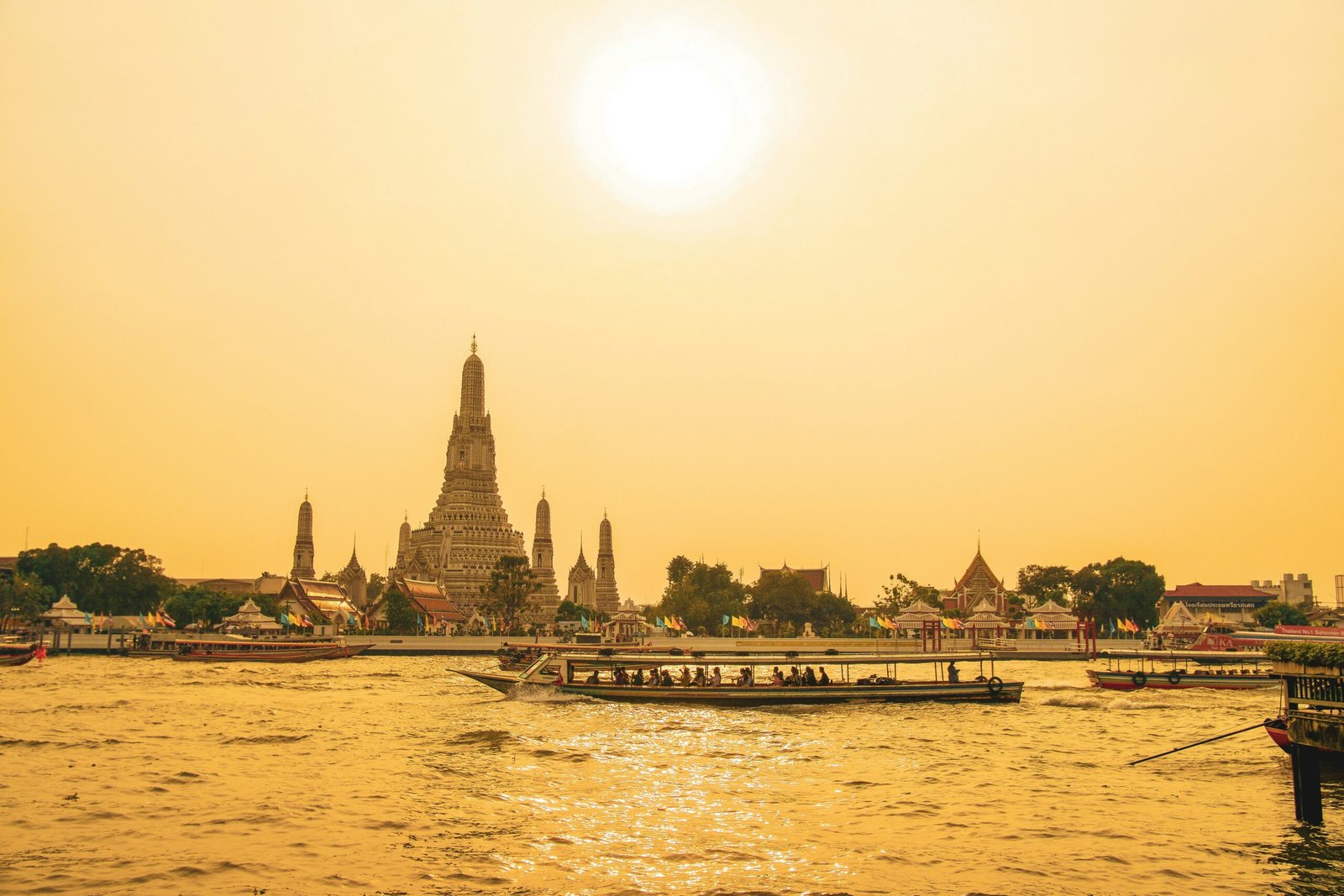
Southeast Asia in 2026: Travel Trends, Hidden Gems, and Emerging Destinations
Southeast Asia has always been one of the world’s favorite travel regions, but in 2026, the way people explore it is changing rapidly. Travelers are no longer focusing only on famous tourist landmarks — they are now searching for authentic experiences, hidden destinations, slow travel, cultural immersion, wellness escapes, and meaningful adventures.
From untouched islands and quiet mountain towns to digital nomad hubs and eco-friendly tourism experiences, Southeast Asia is evolving into a region that offers much more than traditional sightseeing.
As global travel continues to grow, countries across Southeast Asia are adapting to new traveler expectations while still preserving the charm that makes the region unforgettable. Here is a look at the biggest travel trends, hidden gems, and emerging destinations shaping Southeast Asia in 2026.
The Rise of Slow Travel in Southeast Asia
One of the biggest travel trends in 2026 is slow travel.
Instead of rushing through multiple cities in a short time, travelers are spending longer periods in fewer destinations to experience local culture more deeply. Many travelers now prefer:
- Staying in boutique homestays
- Working remotely from tropical locations
- Exploring local cafés and markets
- Learning traditional cooking or crafts
- Taking wellness-focused trips
Destinations like Ubud in Bali and Hoi An are becoming popular among travelers seeking peaceful and immersive experiences rather than fast-paced tourism.
Digital Nomad Destinations Continue to Grow
Remote work culture has completely changed global travel, and Southeast Asia remains one of the best regions for digital nomads.
Travelers are choosing destinations with:
- Affordable living
- Reliable internet
- Café culture
- Co-working spaces
- Good weather
- Social communities
The top digital nomad hotspots in 2026 include:
- Canggu
- Chiang Mai
- Da Nang
- Kuala Lumpur
Many young travelers are now combining work and travel, staying abroad for months instead of days.
Travelers Are Looking Beyond Overcrowded Tourist Spots
In 2026, many travelers are actively avoiding overcrowded destinations and searching for lesser-known alternatives.
Instead of only visiting famous hotspots, travelers are exploring quieter places that offer authentic beauty and fewer crowds. Some emerging hidden gems include:
- Siquijor, Philippines
Siquijor is gaining attention for its waterfalls, beaches, and peaceful island atmosphere.
- Labuan Bajo, Indonesia
Labuan Bajo continues to rise in popularity because of sailing tours, pink beaches, and access to Komodo National Park.
- Kampot, Cambodia
Kampot is becoming popular for riverside cafés, mountain scenery, and slow travel experiences.
- Koh Kood, Thailand
Koh Kood offers crystal-clear beaches without the crowds found in Phuket or Krabi.
These destinations are becoming favorites among travelers seeking quieter and more meaningful adventures.
Wellness Tourism Is Becoming Mainstream
Travel in 2026 is increasingly connected to wellness and mental well-being.
Travelers are choosing destinations that offer:
- Yoga retreats
- Meditation programs
- Nature escapes
- Spa experiences
- Healthy food culture
- Digital detox stays
Places like Ubud and Koh Phangan are attracting travelers looking to relax, recharge, and reconnect with themselves. Wellness tourism is no longer just a luxury trend — it has become a major part of modern travel culture.
Vietnam Is Becoming One of Southeast Asia’s Biggest Tourism Stars
Vietnam has seen massive growth in international tourism thanks to its affordability, natural beauty, food culture, and diverse experiences.
Travelers are especially drawn to:
- Ha Long Bay
- Hoi An
- Da Nang
- Ho Chi Minh City
Vietnam’s balance of beaches, mountains, cities, and cultural heritage makes it one of the region’s most complete travel destinations.
Adventure Tourism Continues to Rise
Adventure travel remains one of Southeast Asia’s strongest attractions.
Travelers in 2026 are increasingly seeking:
- Volcano trekking
- Island hopping
- Scuba diving
- Jungle expeditions
- Waterfalls
- Wildlife encounters
Popular adventure destinations include:
- Mount Batur
- Mount Rinjani
- Coron
- Phong Nha-Ke Bang National Park
Travelers now want experiences that feel active, memorable, and immersive.
Food Tourism Is Bigger Than Ever
Food has become one of the biggest reasons people travel.
Southeast Asia continues to dominate global food tourism because of its:
- Street food culture
- Affordable dining
- Regional diversity
- Local markets
- Unique flavors
Cities like Bangkok, Penang, Ho Chi Minh City are now major culinary destinations for international travelers.
Southeast Asia in 2026 is evolving into a travel region that values authenticity, sustainability, culture, wellness, and meaningful experiences. While iconic destinations like Bali and Singapore continue to remain popular, travelers are increasingly discovering hidden gems, embracing slow travel, and seeking journeys that go beyond traditional tourism. Whether it is exploring quiet islands, working remotely from tropical cafés, hiking volcanic mountains, discovering local food culture, or simply slowing down to enjoy life, Southeast Asia continues to offer experiences that feel unforgettable and deeply personal.


Comments are closed