



A Complete Guide to Sapa, Vietnam
Nestled in the foggy mountains of northern Vietnam, Sapa seems like a world away from busy streets and busy cities. Sapa is a place that speaks to the soul with its unique hill-tribe cultures, crisp mountain air, and tumbling rice terraces. It’s important to calm down, breathe more deeply, and re-establish a connection with nature and tradition when visiting Sapa.
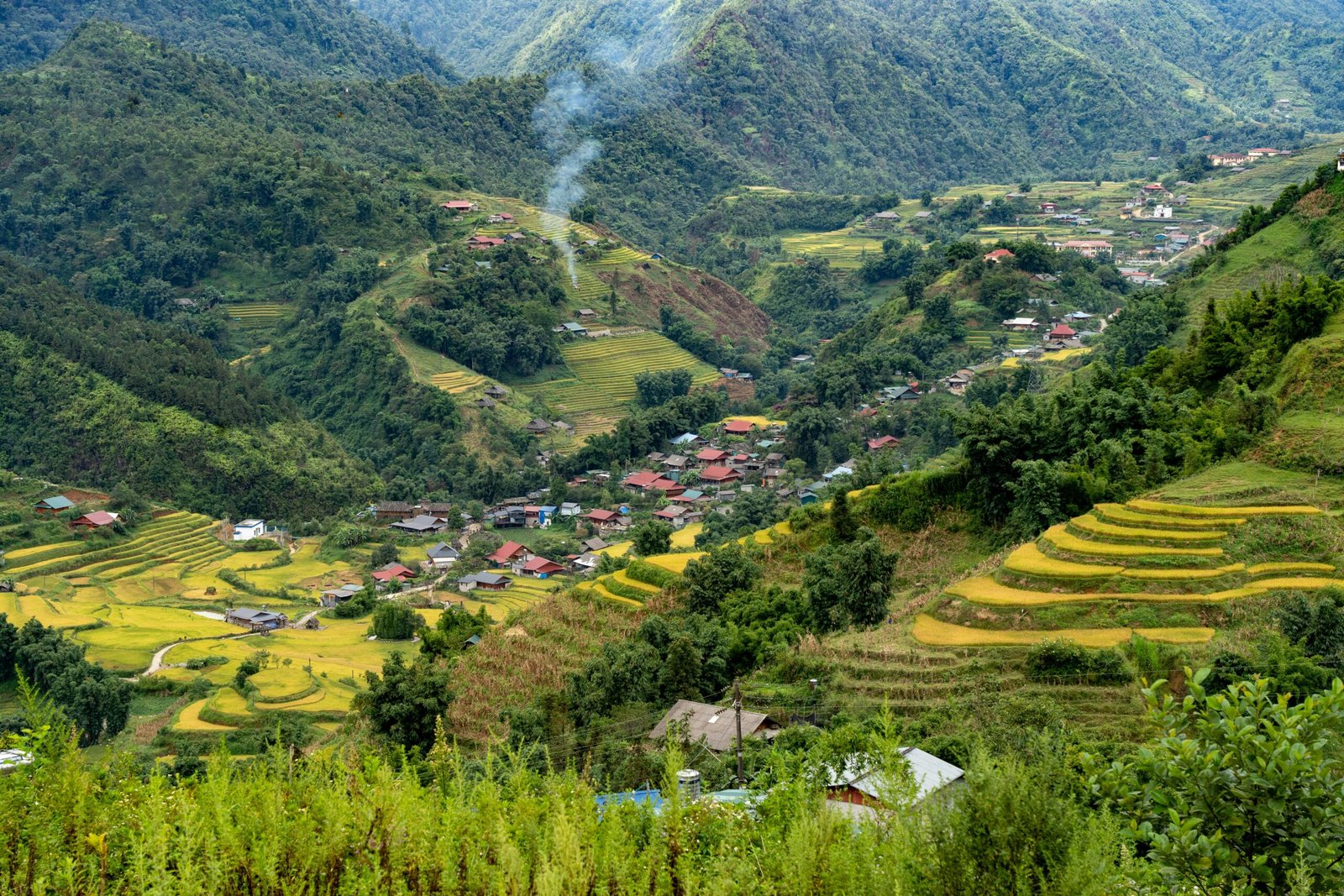
The most famous feature of Sapa is its rice terraces, which have been painstakingly built into the mountains over many centuries. By following the hills’ natural contours, these emerald-green stairs create vistas that change color with the seasons, turning from a crisp green in the summer to golden tones during harvest season.
There are stunning views all around you as you stroll through towns like Lao Chai and Ta Van. The mountains rise like protectors around the valleys, streams meander silently between fields, and water buffalo graze quietly.
Trekking through ethnic minority settlements is one of Sapa’s most fulfilling experiences. Communities like the Hmong, Dao, and Tay inhabit the area; each has its own customs, attire, and way of life.
Families laboring in the fields, women weaving vibrant fabrics, and children playing outside wooden homes are all examples of everyday life that can be intimately observed on guided walks. Travelers are reminded of a slower, more grounded way of life by these straightforward but impactful interactions.
At more than 3,100 meters, Fansipan Peak is the tallest mountain in Vietnam and is frequently referred to as the “Roof of Indochina.” While others can ride the Fansipan cable car, one of the longest and highest in the world, adventurous people can hike to the summit.
At the summit, expansive views of mountain ranges stretch eternally, while clouds float past temples and statues. It feels like you’re touching the sky when you stand there.
The town of Sapa itself offers a delightful fusion of indigenous culture and colonial architecture. The French-built Sapa Stone Church is a serene landmark in the heart of the town. Steaming cups of Vietnamese coffee, ideal for warming up in the chilly mountain conditions, are served in nearby cafés.
The village comes alive in the evenings with night markets where you can eat grilled mountain specialties while shopping for local handicrafts, silver jewelry, and handmade textiles.
Sapa has a chilly, misty climate all year round, in contrast to most of Vietnam. Afternoons show majestic views bathed in gentle sunlight, while early mornings frequently offer rolling fog that shrouds the mountains in mystery. Part of Sapa’s allure is its constantly shifting weather, which makes every time feel special.
March through May and September through November are the ideal times of year to visit Sapa. While fall features beautiful skies and golden rice terraces, spring gives blooming flowers and fresh foliage. With hazy vistas and sporadic frost, winter may be chilly but enchanting.
Sapa is an experience of nature, culture, and serene wonder rather than just a place to visit. Every traveler is left with a lasting impression of Sapa, from rising above the clouds at Fansipan to hiking through rice fields and interacting with hill-tribe villages


Comments are closed